A home this large rarely uses less energy than it makes, but Amherst Glen by Charis Homes does. The 7,834 sq ft custom home took home two honors: Excellence in Electrification from EEBA and the DOE Efficient New Homes Award in the Custom for Buyer category. It’s modeled to produce more energy than it consumes each year, with no onsite fossil-fuel combustion.
About Charis Homes
For over 20 years, Ohio builder Charis Homes has built ultra-efficient custom homes designed around each family’s health and comfort, with healthier indoor air as part of the package. Todd Scott and Glenna Wilson founded the company in 2003 to focus on energy-efficient, healthier custom homes. The commitment has only deepened since. In 2018, Charis committed to building all of its homes to the DOE Zero Energy Ready Home criteria. It was the first Ohio builder to achieve ENERGY STAR, EPA Indoor AirPlus, and DOE Efficient New Homes standards.
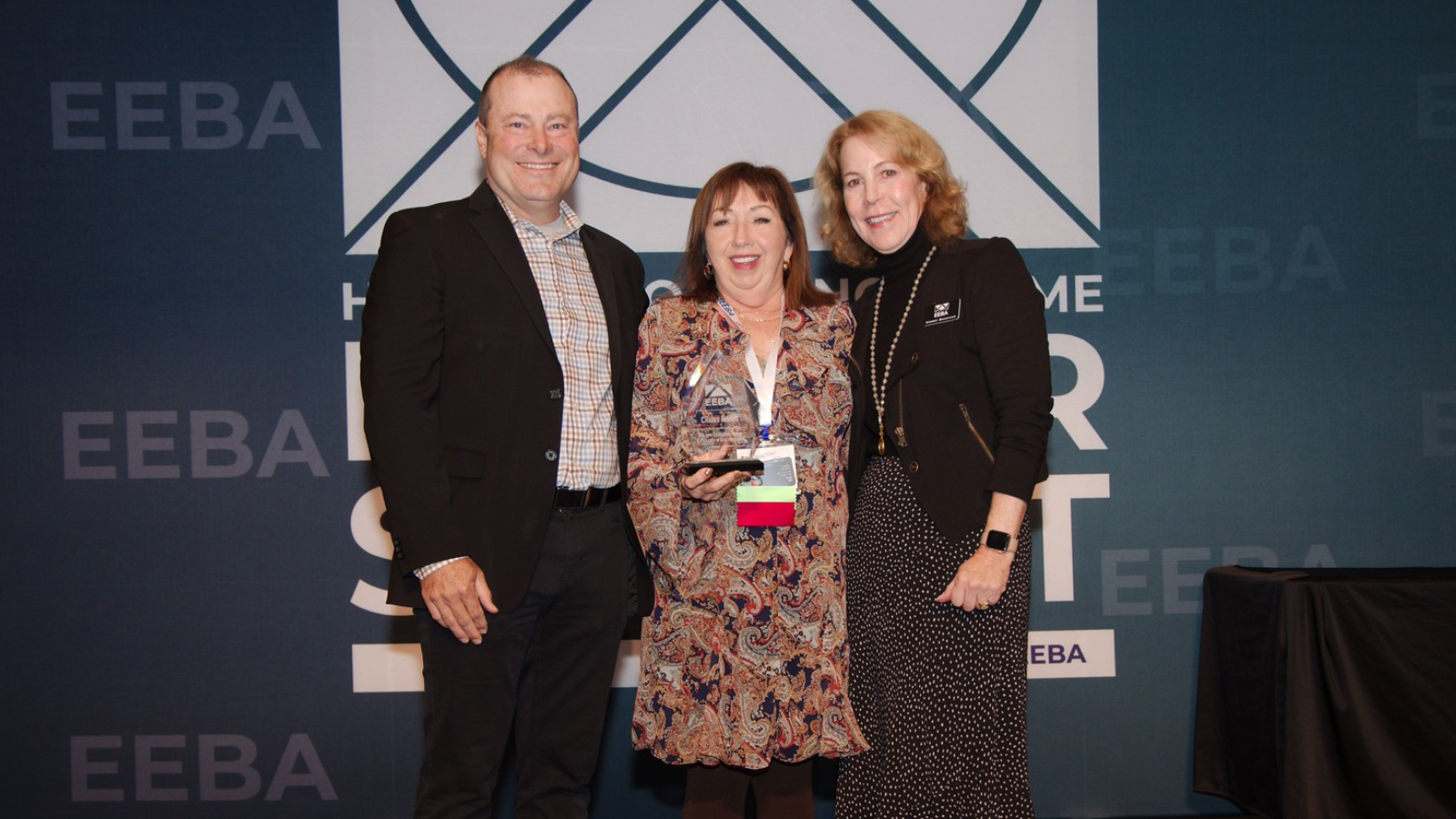
One Coordinated System
What sets Amherst Glen apart is that no single feature does the work. The all-electric mechanical strategy, solar, battery storage, smart load monitoring, and a high-performance enclosure were designed as one integrated platform.
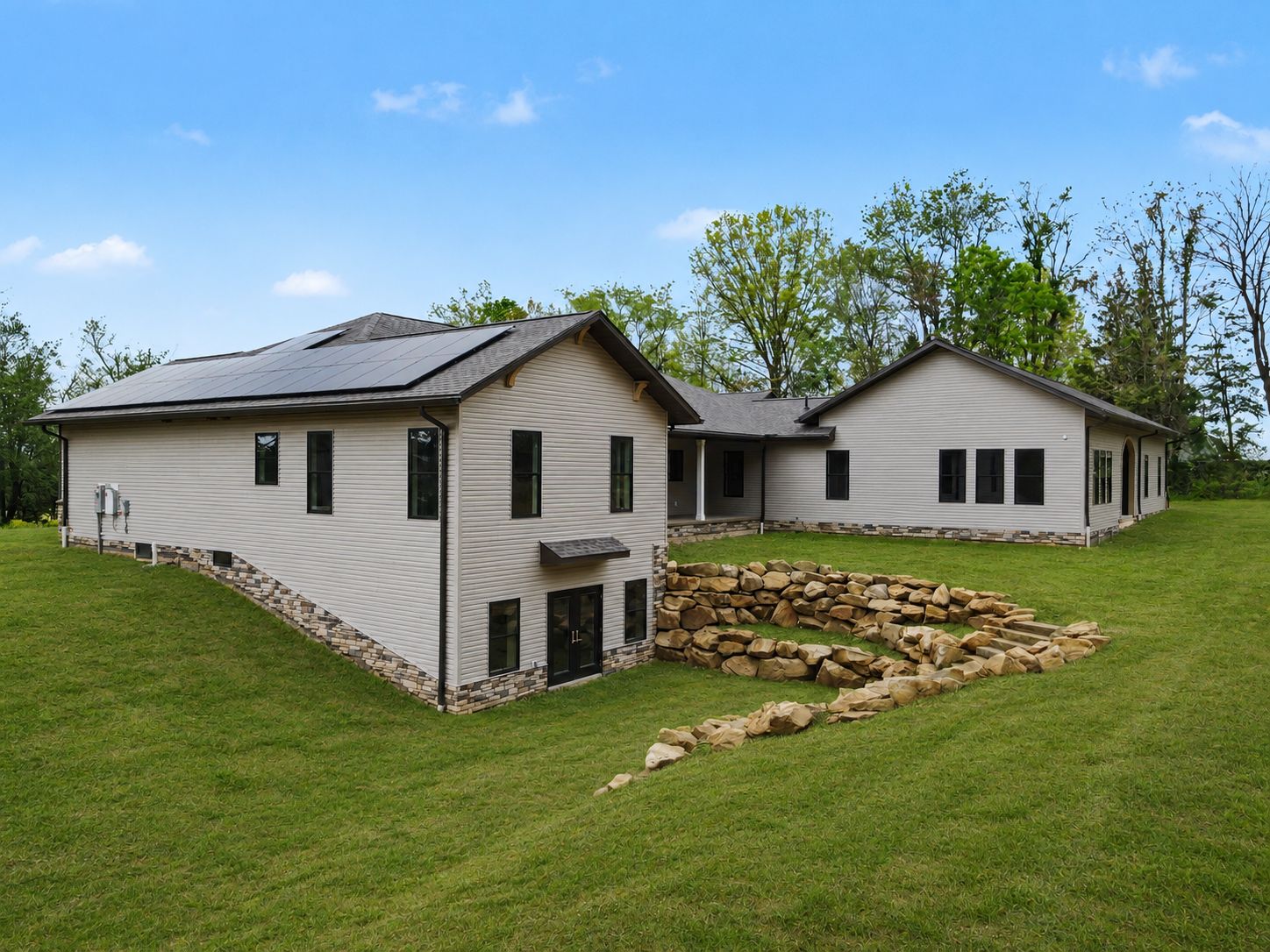
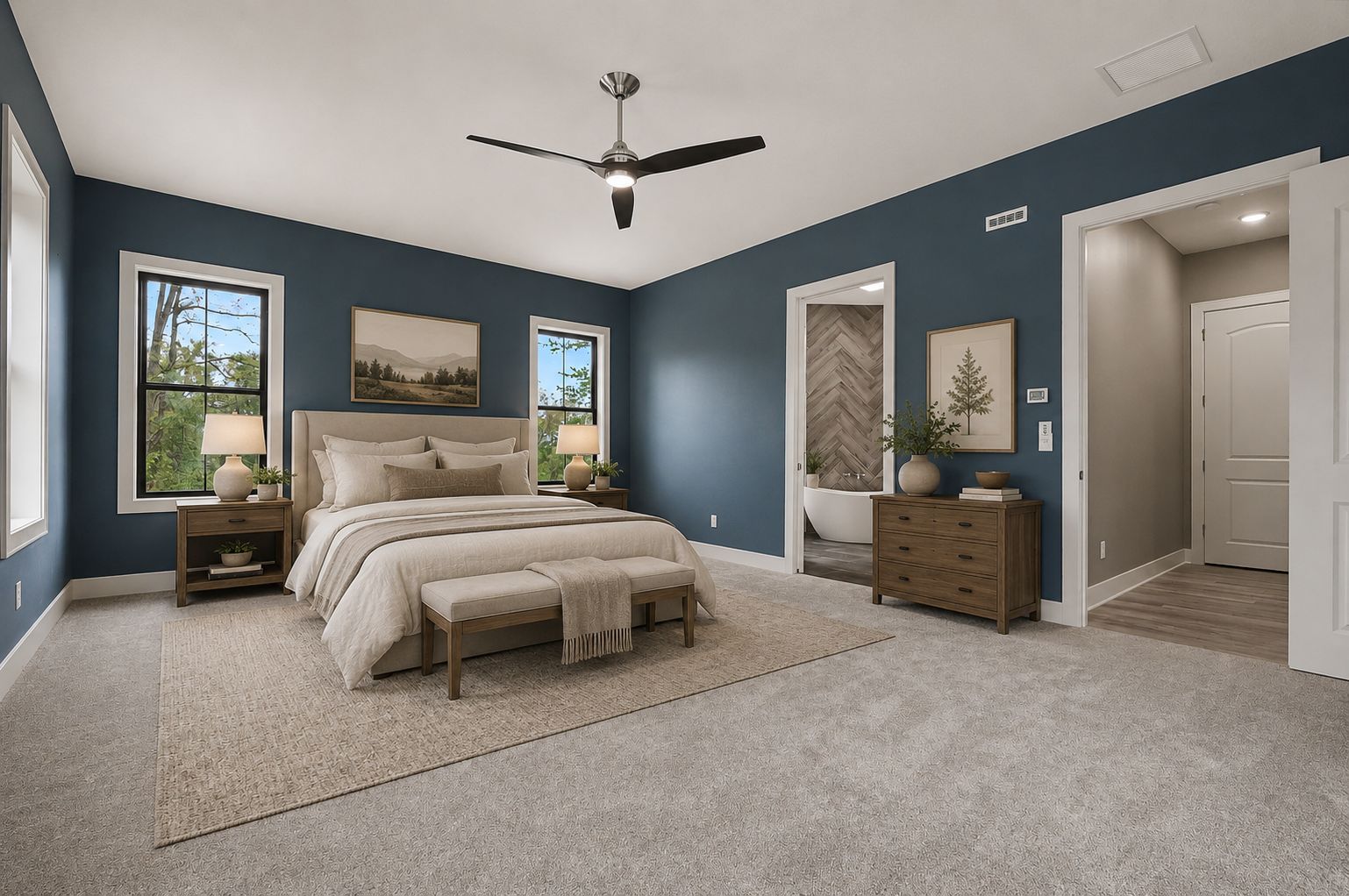
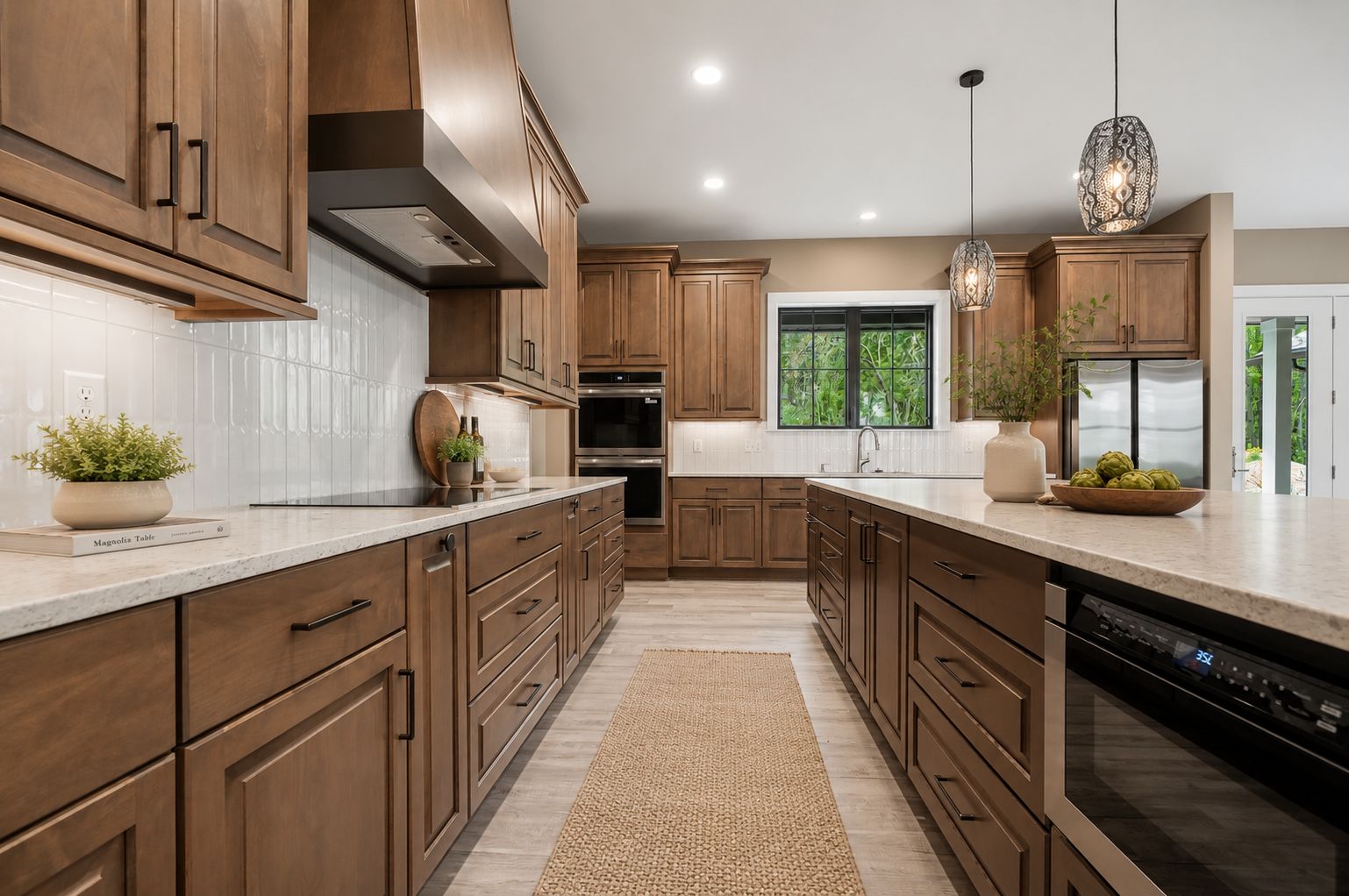
The home is a one-story, four-bedroom, 3.5-bath design in Climate Zone 5A, completed in May 2026. Its modeled HERS Index is -2 with solar (36 without). Annual energy cost is projected at just $96, with modeled savings of $12,677 a year. That qualifies it as a Positive Energy Home.
Electrification in Detail
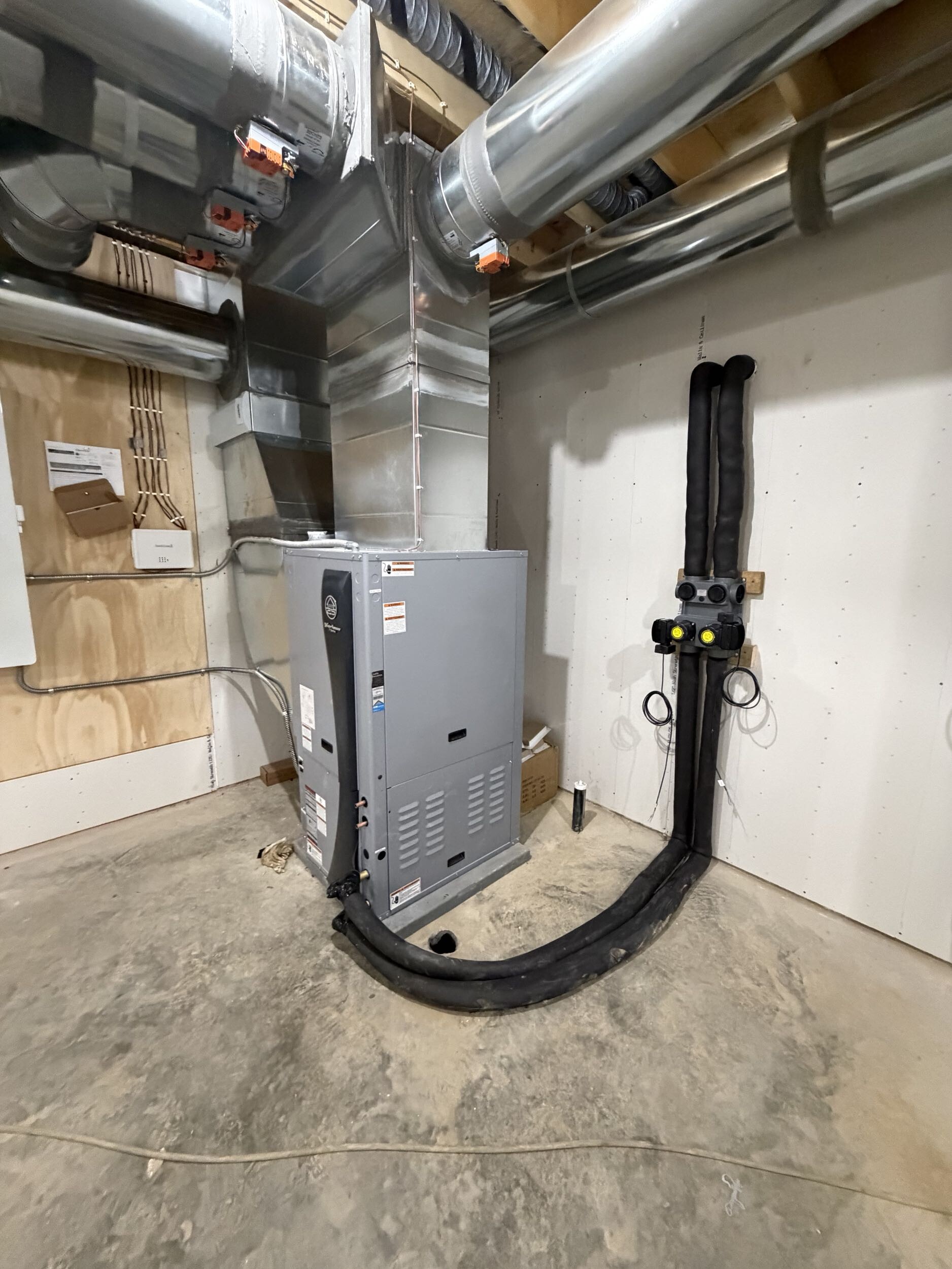
- Geothermal at the core: A four-ton WaterFurnace Series 7 variable-capacity ground-source heat pump provides heating and cooling with no onsite combustion. It’s paired with a four-zone Rheia compact duct system for balanced airflow and low duct losses.
- Hot water, integrated: The geothermal system feeds a preheat storage tank that supplies a central 65-gallon Navien heat pump water heater (4.03 EF), cutting the electricity needed for hot water.
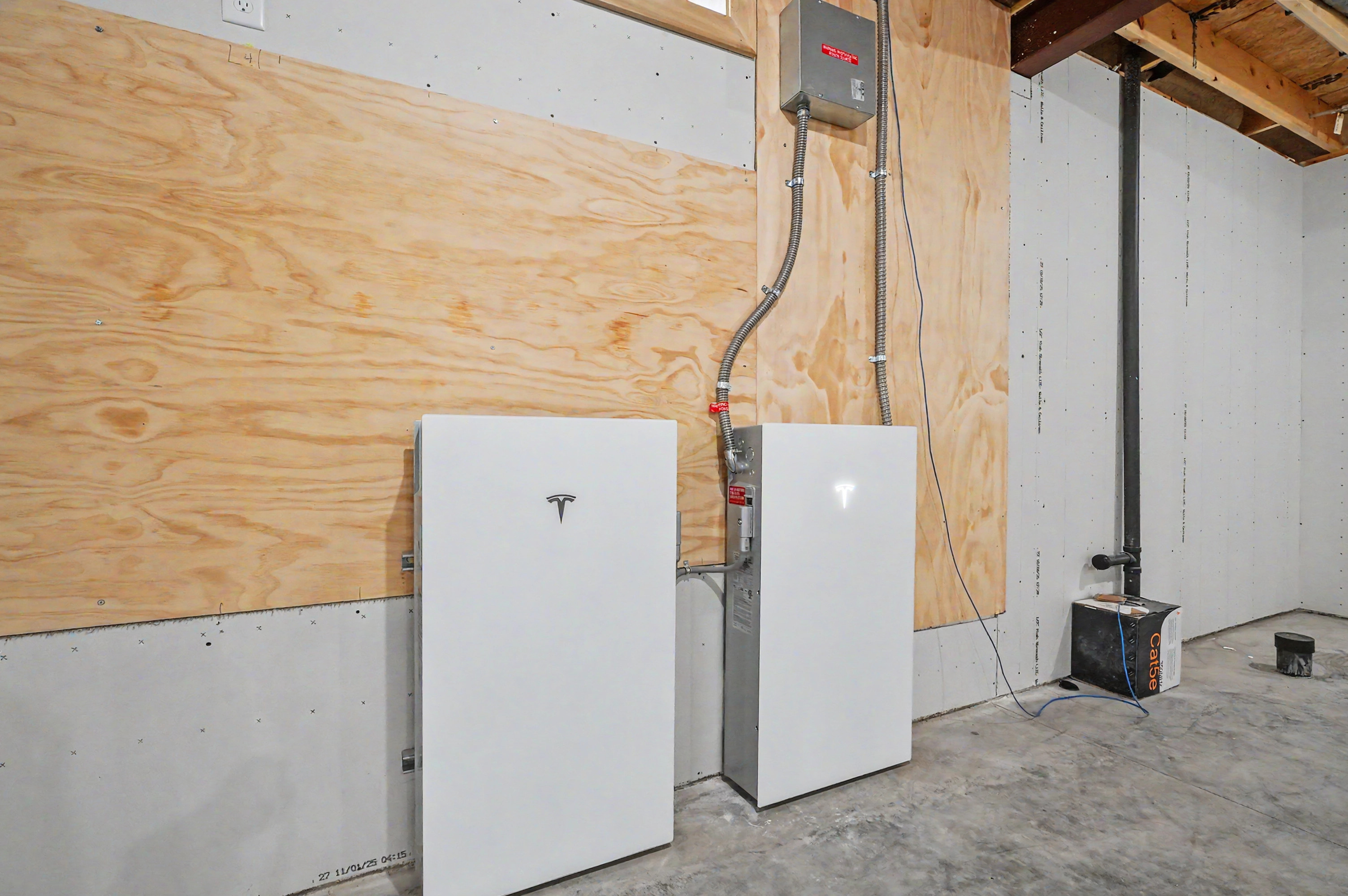
- Solar and storage: A 13.28 kW south-facing array is sized to offset 100% of annual energy use. A 13.5 kWh Tesla Powerwall 3 adds backup resilience during outages. The roof structure and orientation were designed with solar in mind.
- Visibility and control: A SPAN smart panel gives homeowners circuit-level insight into their energy use and control over household loads.
The Enclosure Makes It Work
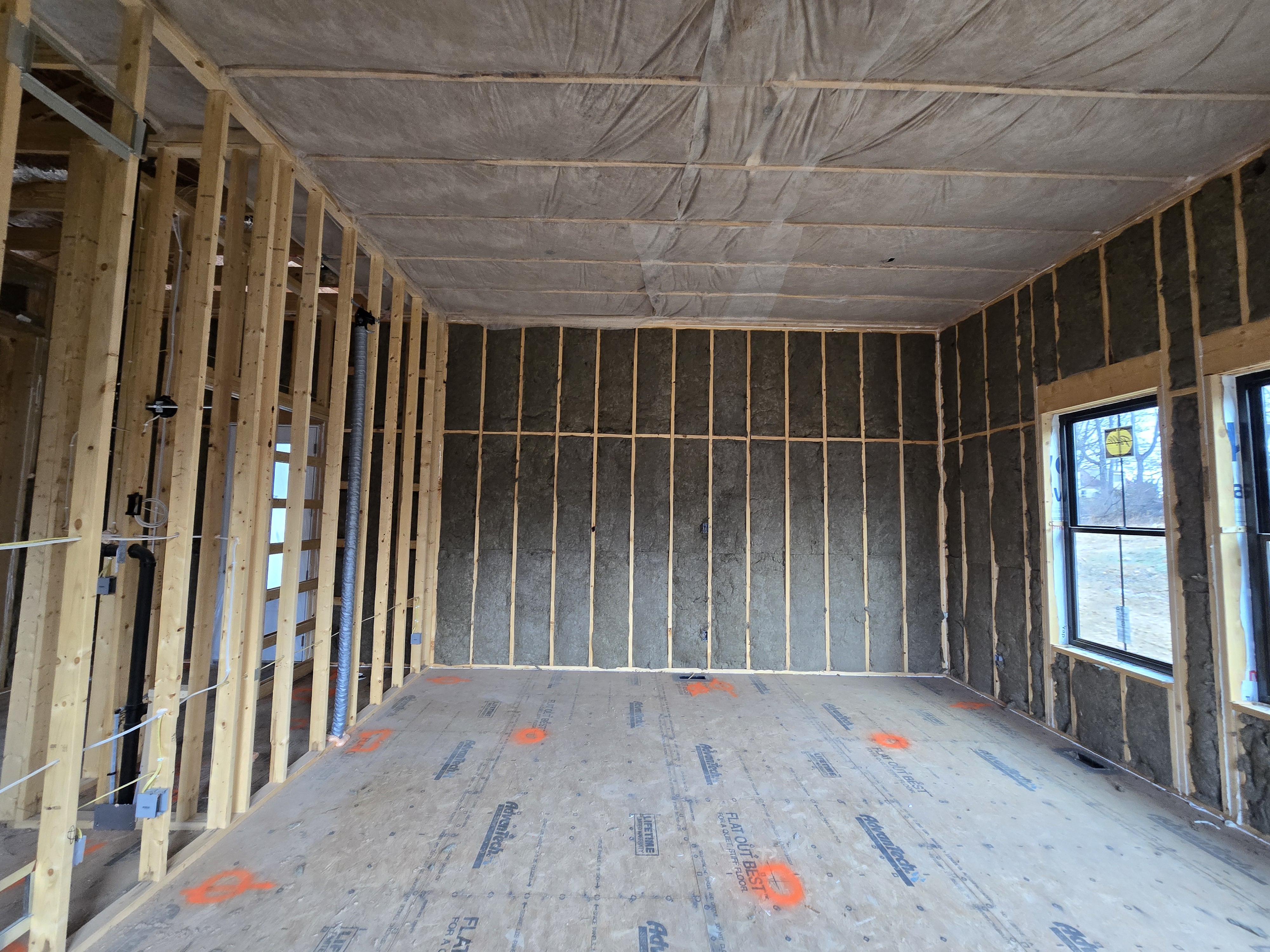
Electrification only pays off when the home needs little energy. Amherst Glen has R-30 walls, R-60 attic insulation, continuous exterior rigid insulation, a full insulated concrete form (ICF) basement, and high-performance windows. It tested at 1.38 ACH50. A balanced Broan ERV, humidity-sensing bath fans, and MERV filtration keep fresh air flowing without a big efficiency penalty.
In Their Words
What are you most proud of? The Charis team says the home proves “you don’t have to sacrifice comfort, design, or luxury to achieve exceptional performance.” They’re proudest of delivering lasting value that reaches beyond energy savings to everyday quality of life.
The hardest part? Coordination. Advanced mechanical systems require more planning and communication, the team says, and success depends on getting trade partners like the electrician and HVAC contractor involved early. Their lesson is that high-performance building “isn’t just about selecting the right products,” but about “having the right people, educating your trade partners, and creating a process where everyone is working toward the same goal.”
Where should a builder start? Start with building science fundamentals: a well-insulated, properly air-sealed envelope. Then build relationships with knowledgeable trade partners and organizations like EEBA. On the electrification side, Charis would scale high-efficiency heat pumps, heat pump water heaters, and EV charging provisions first, because they fit a repeatable process. Their advice is not to change everything overnight. Implement what you can, measure results, and improve with each project.
What will homeowners notice? Comfort, the team says: consistent temperatures from room to room, fewer drafts, better humidity control, and improved air quality. Early feedback is encouraging. The homeowner reports utility usage coming in below projections and is delighted to finally be living in the home they dreamed of for years.
Why It Matters
Charis closes with a message for the industry: high-performance construction shouldn’t be seen as a luxury or an upgrade, but as the direction the industry is moving. Amherst Glen shows that even a very large custom home can run on electricity alone, produce more energy than it uses, and still be beautiful.
Congratulations to Charis Homes for an outstanding project!
See the full project: EEBA Award Winning Project Showcase